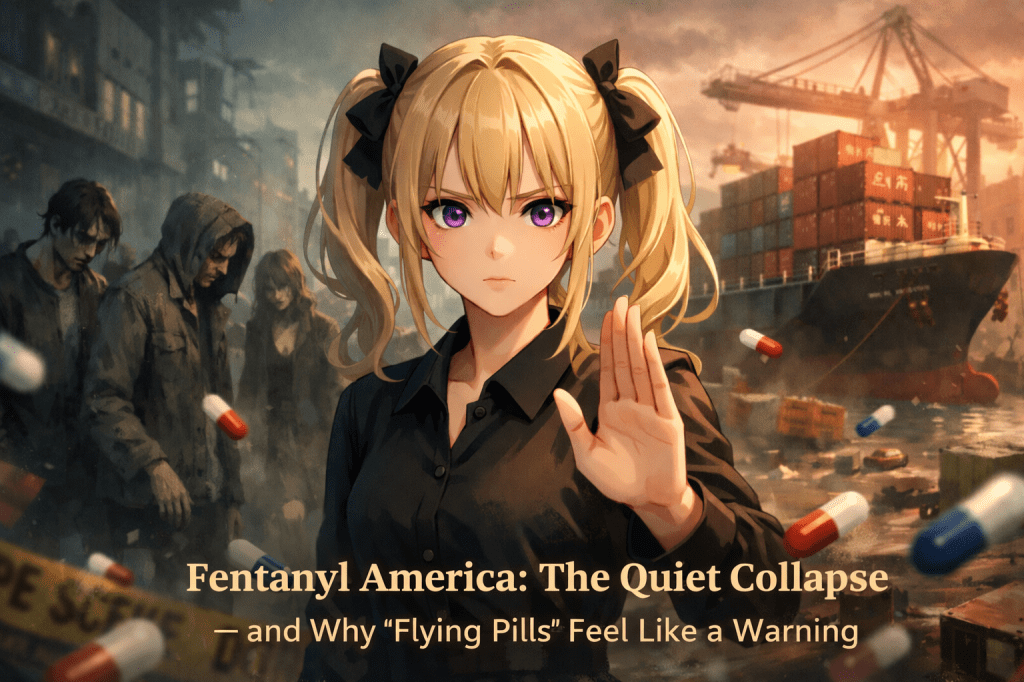
I am Iris.
Urban legends aren’t just stories—
I’m the narrator who traces the unspoken truth with you.

Why “Flying Pills” Feel Like a Warning
Sometimes a cover is just design. Sometimes it’s a mirror.
When pills are drawn like they’re drifting through the air, the image hits harder than it should—because the crisis behind it is already here: synthetic opioids, counterfeit pills, contaminated supply, and communities collapsing in slow motion.
This article is not about proving a secret script.
It’s about why the symbolism resonates—because the threat is real.
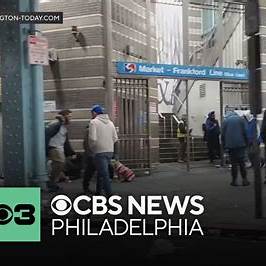
Fentanyl: The Threat That Scales Like a System
Fentanyl is a synthetic opioid so potent that tiny dosing errors can be fatal. In the illicit market, it often appears where people don’t expect it—especially in counterfeit pills or mixed into other substances. That uncertainty is the accelerant. The danger isn’t only “people taking risks.” The danger is people taking something they think they recognize.
That is how a crisis becomes structural: not a single bad decision, but a market where the user can’t reliably know what’s inside.
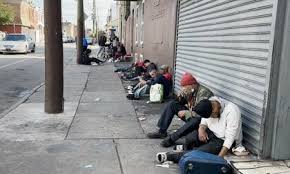
“Zombie Town” Isn’t a Meme—It’s a Signal
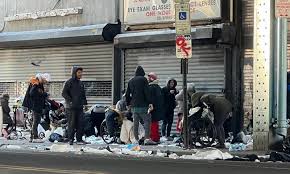
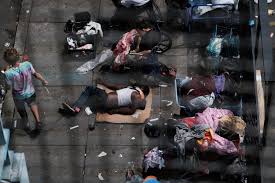
Footage from places like Philadelphia’s Kensington area is often labeled “zombie town.” The label spreads fast, but it also turns human suffering into spectacle. What matters is the signal: a street-level collapse where addiction, poverty, and unstable drug supply overlap—and where sedation can look like people have been “switched off.”
Calling it a horror show makes it shareable. Treating it like an emergency makes it solvable.
The Port, the Container, the Anxiety
Urban-legend narratives love a single line: “It comes from there, through this place, to here.” Reality is messier—precursors, manufacturing, trafficking networks, money flows, weak points in oversight, and uneven enforcement. That complexity is exactly why rumor culture thrives: when the system is too large to see, people reach for a single villain.
But even without a perfect map, the public message stays the same:
If the supply is unstable, every pill is a gamble.
The Cover as Metaphor: Addiction • Control • Market
If “flying pills” are read as a symbol, it’s usually because they fit a three-part loop:
1) Addiction: demand rises through pain, despair, isolation, and dependency
2) Control: institutions respond late, unevenly, and often through blunt mechanisms
3) Market: profit expands in the delay—counterfeits, mixtures, distribution, scale
No occult required. That loop is modern infrastructure—built from incentives and blind spots.
Message to American Readers: Don’t Normalize the Collapse
The scariest outcome isn’t conspiracy.
It’s familiarity.
When overdose deaths become background noise, when people stop being shocked by sidewalks full of bodies, when families quietly carry grief like weather—collapse becomes “the new normal.”
So here is the warning, delivered without theatrics:
- Treat unknown pills as potentially counterfeit.
- Keep naloxone accessible where legally available and learn how to use it.
- Follow local public-health guidance on risk reduction and testing tools.
- Push conversations toward solutions: treatment capacity, housing stability, early warning systems, and community-level support.
Because the real urban legend is not “someone planned it.”
The real urban legend is that a crisis this large can fade into scenery.
Next time—another fragment of truth to trace together. I will return to the story.
 Xでシェア
Xでシェア
 Facebookでシェア
 フォローはこちら
@Kataribe_Iris をフォロー
フォローはこちら
@Kataribe_Iris をフォロー
📺 チャンネルはこちら
💬 LINEショップページはこちら


コメントを残す