I am Iris.
Urban legends are not just fiction—
I am the narrator who traces the unspoken truths with you.
- This is an urban-legend style commentary, built from claims often told as “Sumer’s hidden record.”
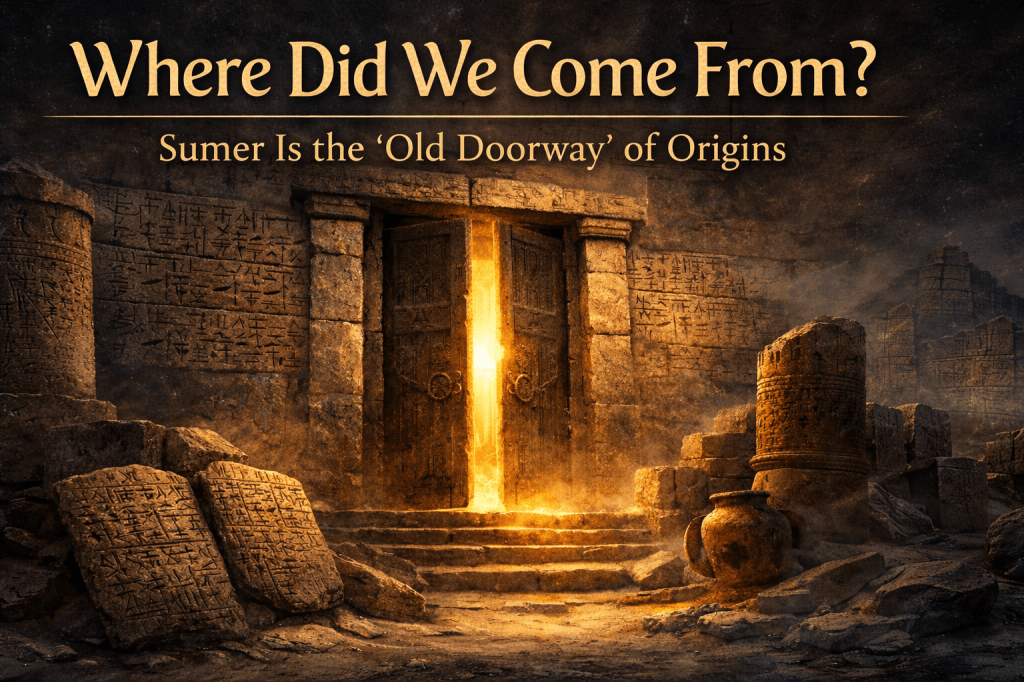
- Sumer feels like an “origin doorway” because its written traces refuse to burn away.
- In this lens, myth is not a bedtime story—it is an edited archive with a missing original.
Note on Framing
This article is written as urban-legend commentary—interpretation, not historical proof. It explores why Sumer becomes a powerful “origin stage” in modern rumor culture.
The Sumerian Doorway: Where Origin Stories Gather
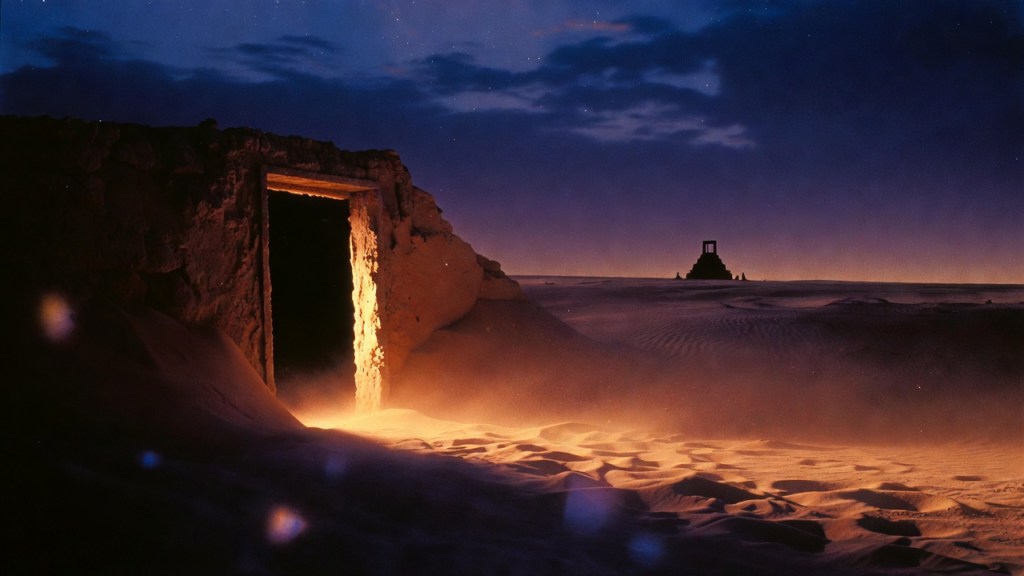
If the human-origins question is a long corridor, Sumer is the heavy door that everyone pauses in front of.
It is not only “ancient.” It is close to the first visible shape of civilization—cities rising, administration forming, writing appearing, kingship being named. That proximity creates a special gravity. Urban-legend logic treats Sumer not as a stop on the timeline, but as the doorway itself.
Behind that doorway sits the fantasy of a core: the first blueprint, the uncut footage, the raw file before history got rewritten.
Sumer attracts that fantasy because record and myth are tangled together so tightly that they look like one organism.
Clay Tablets: Testimony That Doesn’t Burn

Paper burns. Oral tradition wavers. Stone survives.
But clay does something more unsettling: it survives in a way that feels accidental, like evidence that arrived without permission.
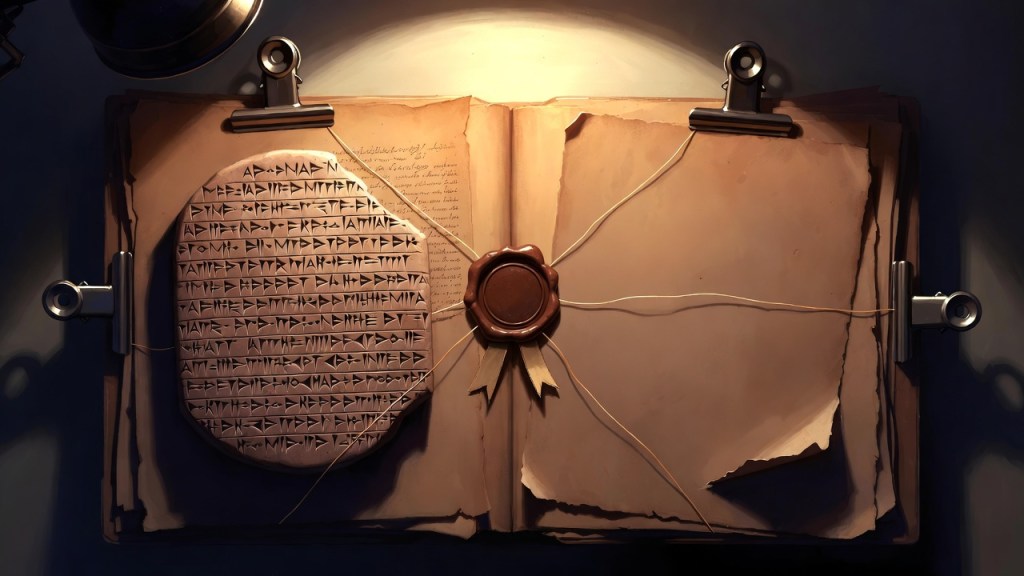
Cuneiform tablets are not just “old documents.” In the urban-legend lens, they are witnesses—objects that endured time’s violence and still made it to our side of the century. That endurance changes the mood of the conversation. A surviving record does not feel neutral; it feels like something that refused to disappear.
Urban-legend logic pushes this one step further: the more a record survives, the more dangerous it becomes.
Not because it is “true” by default—but because anything that remains can speak in ways later editors did not intend. A clean narrative can be curated. A surviving fragment can be inconvenient.
So Sumer becomes suspicious precisely because it is old and durable. It feels like a place where unprocessed information still clings to the surface.
Myth Is Not a Fairytale—It Is an Edit
This is the pivot where the romance catches fire.
Urban-legend reading treats Sumerian myth as if it behaves like a record wearing a costume. The stories carry genealogies of gods, descent from the sky, creation procedures, kingship legitimacy, flood memories—mythic themes, yes, but with the posture of an archive.
So the urban-legend voice draws a hard line:
Myth is not a bedtime story.
Myth is edited record.
And if something is edited, a question appears like a shadow:
What did it look like before the edit?
That missing “original” becomes the unseen room behind the Sumerian door. You never enter it. You only feel it. And that feeling is enough to pull an entire culture of speculation forward.
Cuneiform Isn’t a Code—It’s a Will
In the ordinary view, writing is a tool. In the urban-legend view, writing is a switch.
Because the moment someone can record, someone can select.
The moment someone can write, someone can authorize.
The moment someone can preserve, someone can define legitimacy.
Urban-legend logic calls writing a control device: the technology that turns memory into law. Sumer’s “first writing” status then becomes more than archaeology—it becomes a political event.
Not “the birth of letters,” but the moment history became governable.
And if origin stories are power, then origins become the most valuable territory. The closer you stand to the beginning, the more the story becomes politics.
The Gods: Metaphor, or Mask?
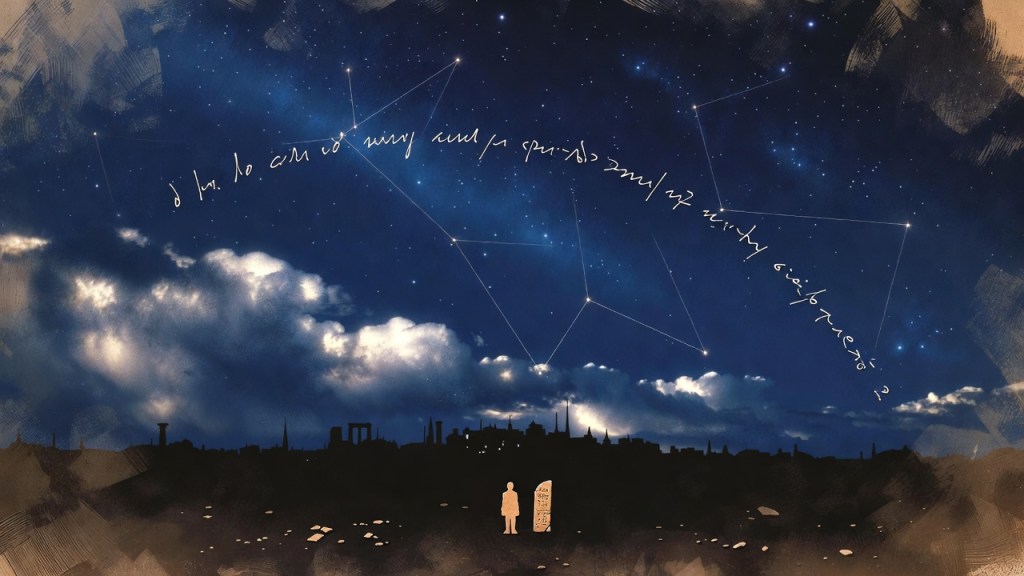
This is where the heat rises.
Are the gods symbols, or are they replacements—names used to describe something concrete without saying it directly?
Urban-legend reading uses both at once. “Gods” become a sign for something above the human layer: an outside force, a superior class, an unknown presence, a maker, an intervenor. The moment a story says “from the sky,” the mind opens a door to the intervention lane.
But the key point here is not verification.
It is structure.
When humans narrate origins, they almost always place an “outside” above the story:
Heaven, stars, higher beings, creators, watchers, architects.
That outside makes humanity look sudden—appearing “all at once” with language, cities, and kingship. Sumer preserves outside-heavy narratives with unusual density, so it becomes a perfect ignition point.
What Sumer “Hides” Is Not an Answer
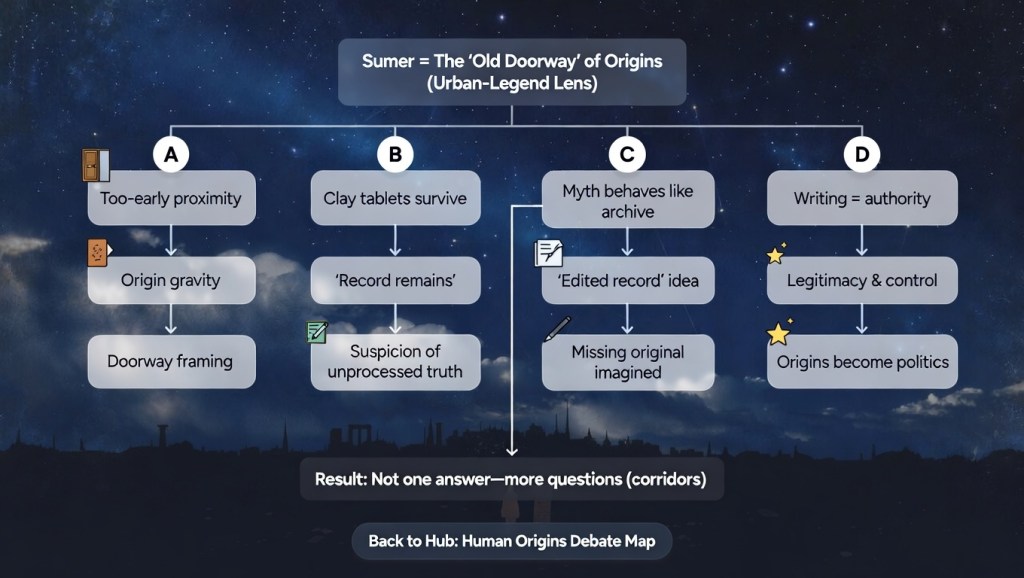
The urban-legend reading of Sumer does not actually deliver a single solution.
It delivers a bundle of questions.
Why did civilization rise where it did?
Why did writing appear when it did?
Why do myths behave like events?
Why does “heaven” keep entering the script?
Why do legitimacy stories feel like legal documents with divine signatures?
Sumer does not close the case.
It multiplies the corridors.
That is why the door never fully shuts. Every time someone pushes it open, they find another hallway, another angle, another rumor lane that branches off into the dark.
How This Branch Connects Back to the Hub
This article is one lane of the larger debate map. For the full framework—how evolution debates, creation narratives, symbols, and intervention claims sit side by side—use the parent hub here:
Where Did We Come From? — Human Origins Debate Map (Hub)
Next time—another fragment of truth to trace with you. I will return to the story.
Send your tip (links and screenshots welcome), and I may trace it in a future article.
 Share on X
 Share on Facebook
 Follow here
Follow @Kataribe_Iris
Follow here
Follow @Kataribe_Iris
📺 Visit the channel
💬 Open the LINE Store page

コメントを残す