
I am Iris.
Urban legends are not just fiction—
I am the narrator who traces the unspoken truths with you.
- This is an urban-legend style commentary—interpretation, not historical proof.
- We read “Kubaba” less as a biography and more as a legitimacy machine: how stories authorize power.
- The focus is the framework: “hidden lineage” narratives that keep returning in origin-myth culture.
Note on Framing
This article is written as urban-legend commentary. It does not claim proof. It examines why certain figures become anchors for legitimacy stories—and why those stories evolve into “hidden lineage” frameworks.
Why Kubaba Appears Where Legitimacy Is Most Fragile
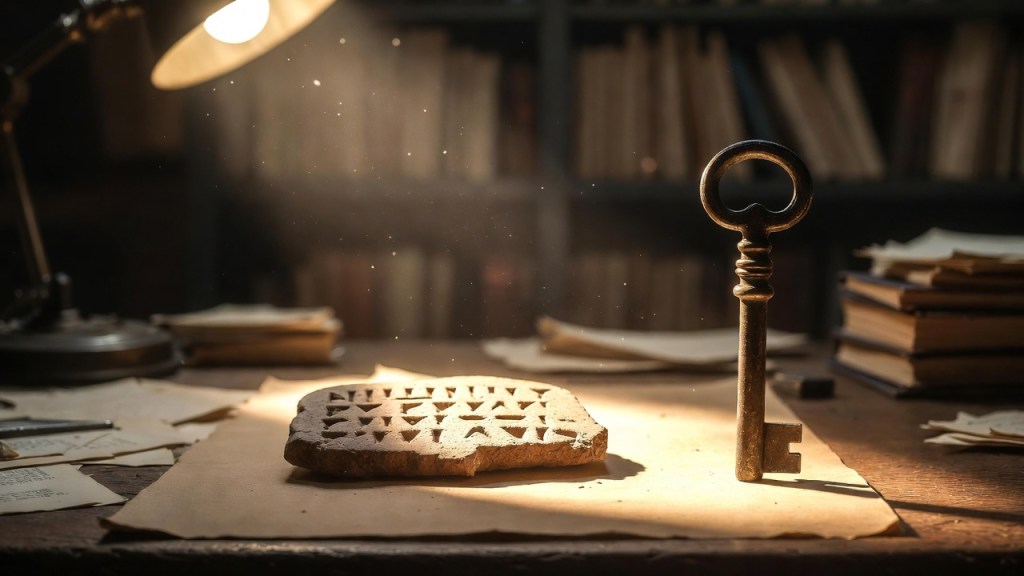
Some names in myth do not behave like characters. They behave like keys.
Kubaba often appears in the place where legitimacy feels unstable—where power needs a narrative spine. In that zone, a story does not merely entertain. It authorizes. It decides who is “real,” who is “chosen,” and who has the right to rule.
Urban-legend readers treat this as a signal: when a figure becomes a recurring anchor in legitimacy talk, the culture is not only describing the past—it is building a control system for the present.
The Legitimacy Engine: How Power Gets “Blessed” by Story
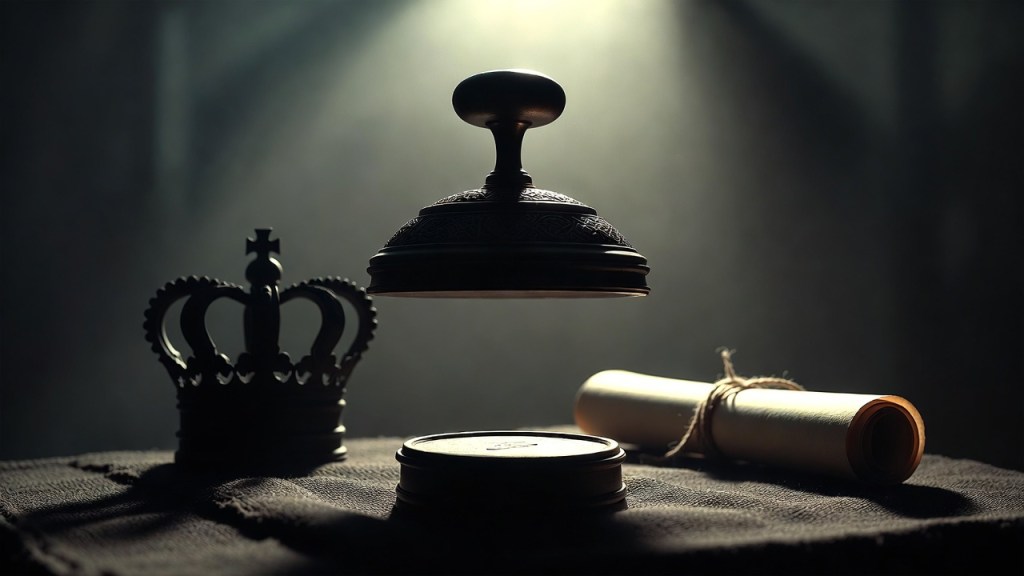
A legitimacy engine has a simple function:
It turns force into right.
You can win a battle and still be called a usurper. You can hold a throne and still be treated as temporary. So power seeks a stronger material than swords—something that survives longer.
That material is narrative.
Legitimacy stories often use repeating components:
- a “chosen” origin,
- a sacred endorsement,
- a line of succession,
- a moral frame (“worthy/unworthy”),
- a memory of crisis (“we needed a savior”),
- a continuity claim (“this was always destined”).
When urban-legend circles study Kubaba, they often study these components rather than the person. The person is the mask. The engine is the real subject.
Why “Hidden Lineage” Is the Most Durable Upgrade
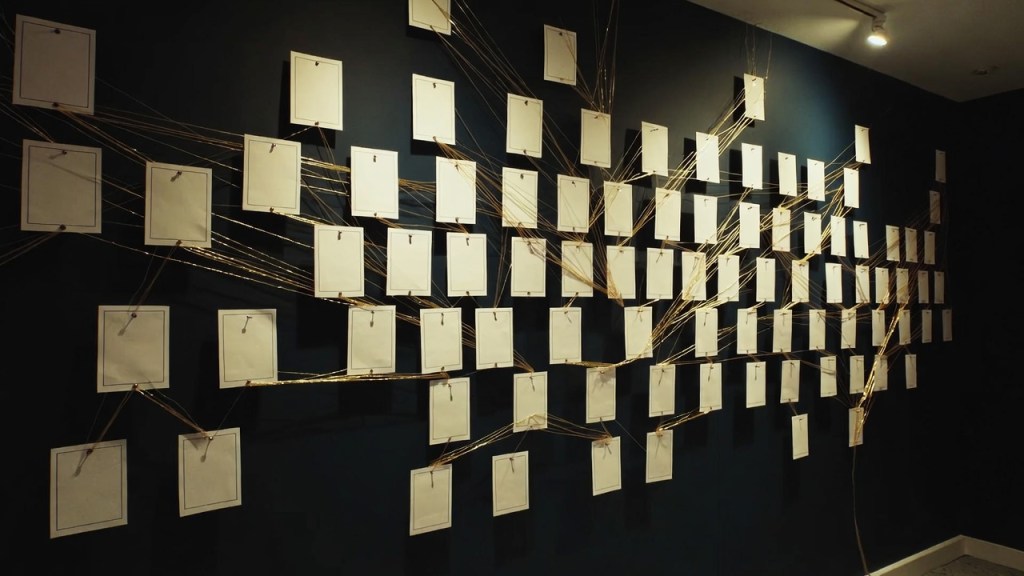
Once legitimacy becomes a story-machine, the strongest upgrade is secrecy.
A hidden lineage framework adds three advantages:
1) It explains why evidence is scarce (“it was concealed”).
2) It turns critics into proof (“they deny it because they fear it”).
3) It makes the audience feel initiated (“you can see what others can’t”).
This is why hidden lineage narratives survive so well. They do not collapse under missing documents; they feed on them.
In modern rumor culture, “hidden lineage” becomes a universal adapter. It can attach to dynasties, priesthoods, secret societies, bloodline myths, or ancient “chosen ones” lanes. The frame stays the same even as the cast changes.
Kubaba as a Pivot: From City Legend to Origin Framework

Urban-legend readings often treat Kubaba as a pivot between two layers:
- the civic layer (cities, kingship, order),
- the cosmic layer (origins, gods, intervention).
A legitimacy story begins as a political tool—who may rule a city.
But it can expand upward into origin territory:
who may claim proximity to the beginning,
who may claim “the true line,”
who may claim the right to edit the past.
That expansion is the hidden lineage move: it turns politics into metaphysics.
The “Edited Archive” Effect

Hidden lineage narratives rarely travel alone. They often bring an archive story with them.
A familiar structure appears:
- the original record existed,
- the record was edited,
- the edit created the public version,
- the missing version is the real key.
This is why Kubaba discussions often overlap with broader urban-legend mechanics:
lost tablets, contested translations, erased dynasties, rewritten genealogies.
In this lens, myth is not only myth. It is a curated archive.
And once the archive is imagined as curated, the next assumption follows automatically:
someone curated it.
Why This Framework Feels So Persuasive
A hidden lineage framework satisfies deep human pressures:
- The pressure to believe power has a reason (not only violence).
- The pressure to believe history has a spine (not only accidents).
- The pressure to believe identity can be inherited (not only invented).
- The pressure to believe the beginning is guarded (not only forgotten).
It also creates a perfect narrative economy:
You do not need to prove everything—only enough to suggest a doorway. The rest becomes an invitation to imagine what is behind it.
How This Connects Back to the Hub
This is one branch of the broader debate map. For the full framework—how origin narratives, symbols, and intervention claims sit side by side—use the parent hub here:
Where Did We Come From? — Human Origins Debate Map (Hub)
The Clean Takeaway
Kubaba functions in modern rumor culture as a legitimacy lens. The figure becomes a key that unlocks a familiar engine:
authority → story → secrecy → “hidden lineage.”
And once legitimacy becomes a hidden lineage, origins become territory.
Next time—another fragment of truth to trace with you. I will return to the story.
Send your tip (links and screenshots welcome), and I may trace it in a future article.
 Share on X
 Share on Facebook
 Follow here
Follow @Kataribe_Iris
Follow here
Follow @Kataribe_Iris
📺 Visit the channel
💬 Open the LINE Store page

コメントを残す