I am Iris.
Urban legends are not just made-up stories—
I am a narrator who traces unspoken truths with you.
※ This article is an analysis based on theories discussed as “urban legends.” It does not assert historical fact.
Mobile 3-Point Summary
- The small lines under the title can be read like a compact “operational index” for 2026, not a prophecy sentence.
- When grouped into External × Middle × Internal, the list forms a clean three-layer model: pressure outside → systems inside → changes within society/body.
- Many cover motifs from the quadrant articles feel like “branches,” while these lines act like the “trunk” that gathers them back into one outline.
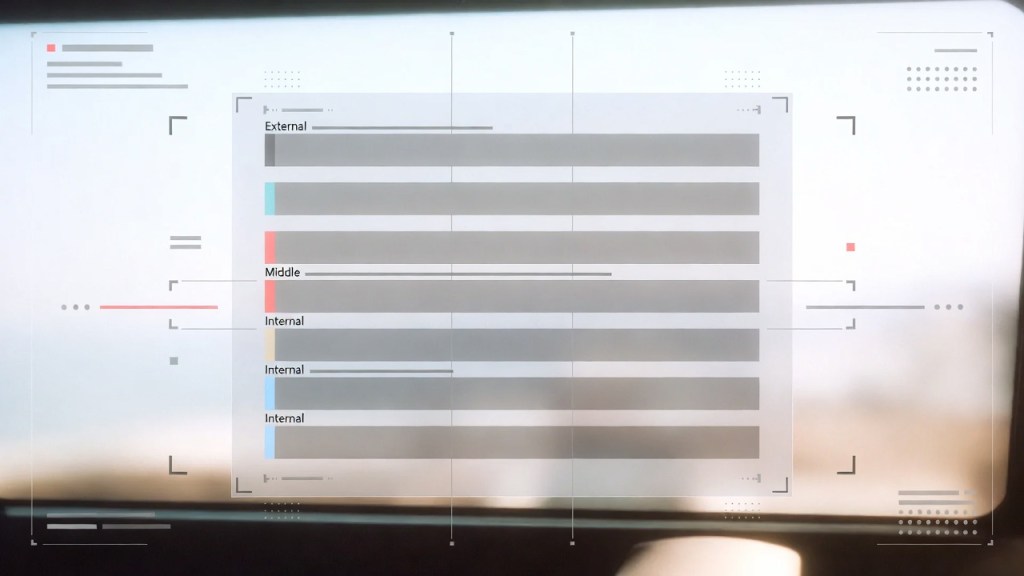
This Episode Reads the Words, Not the Pictures
Most cover analyses chase the symbols first—because pictures grab the eye.
But in urban-legend circles, it is often said that the real plan hides where people don’t look: the small, “boring” text.
So this final hub-piece does something deliberately unglamorous:
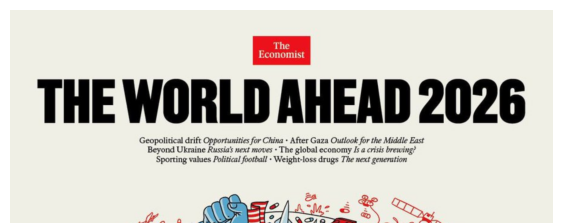
It treats the short lines under the title as an operational outline—a list of what will be framed, debated, priced, regulated, and normalized in 2026.
Not “prediction.”
Not “fortune-telling.”
More like: a menu of conflicts and themes that will be served again and again.
And here’s the core lens that makes it click:
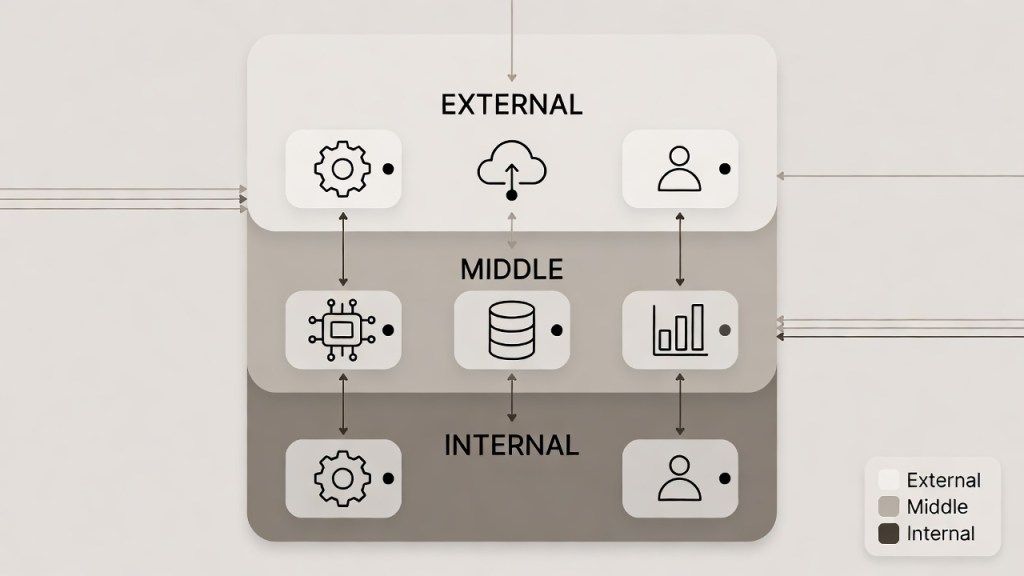
The 3-Layer Model: External × Middle × Internal
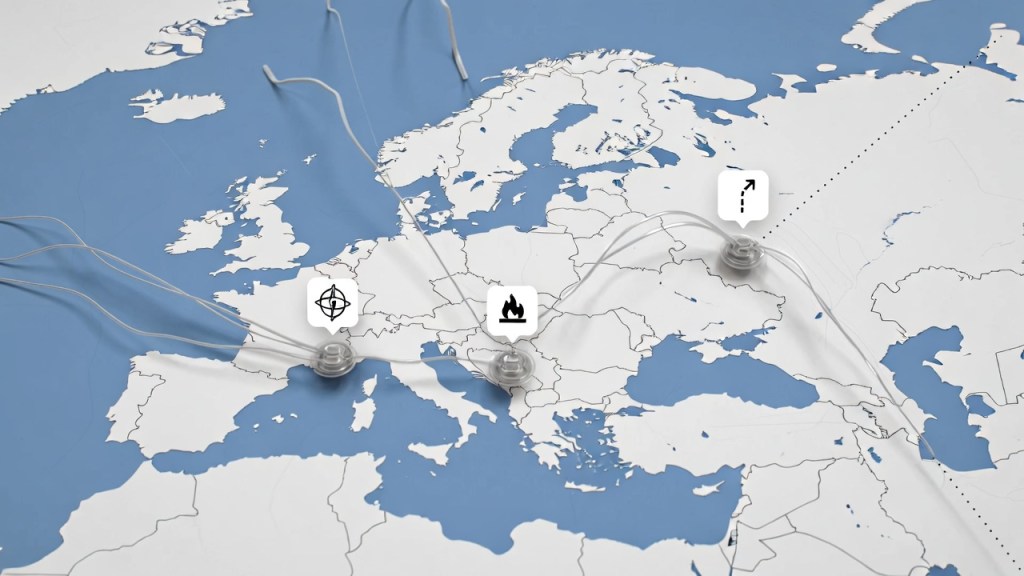
If we read the list like a planning document, it clusters naturally into three layers:
- External: pressure beyond borders (conflict fields, drift, next moves)
- Middle: governance-by-systems (economy, opportunities, narrative control)
- Internal: society/body/value changes (culture and the body as battlegrounds)
This is the urban-legend reading:
Outside pressure creates demand. Systems translate that demand into rules. Those rules finally land inside daily life and the body.
External Layer: Pressure Outside the Border
The external layer is the “weather” of the year—unstable conditions that never fully resolve.
1) Geopolitical drift
In urban-legend framing, “drift” is not chaos that ends.
It is chaos that becomes normal operations—friction without closure.
That reading matches why so many cover motifs feel like simultaneous “alerts” rather than a single headline.
2) After Gaza / Middle East outlook
Urban-legend logic says the key is not the event, but the after:
rearranged alliances, re-labeled enemies, redrawn logistics, the “new normal” of tension.
“After” sounds like a transition phase—an administrative handover from one configuration to another.
3) Beyond Ukraine / Russia’s next moves
Here, the focus shifts from “today’s battlefield” to “what comes next.”
Urban-legend circles often treat long conflicts as laboratories for updated doctrines:
sanctions, supply chains, drones, narrative warfare—assets that keep operating after headlines fade.
“Next moves” reads like planning language, not journalism.
Middle Layer: Systems That Turn Chaos Into Policy
If the external layer is pressure, the middle layer is the machinery that converts pressure into outcomes.
4) Opportunities for China
This line is blunt.
In urban-legend interpretation, crises are not only tragedies—they are also opportunity extraction:
new routes, new standards, new leverage, new dependencies.
The moral question is secondary to the structural question:
who can convert drift into advantage?
5) The global economy / Is a crisis brewing?
The phrasing matters: brewing is not a lightning strike.
It implies time, accumulation, controlled heat—crisis as a managed process.
Urban-legend framing reads this as: the economy becomes the central console where everything else is priced and enforced.
6) Political football
Urban-legend circles often describe modern politics as not solving problems, but cycling them.
The ball is kept moving. The crowd stays emotional. The match never ends.
This connects cleanly to the cover’s “conflict-as-operations” vibe:
the argument is the product.
Internal Layer: Values and the Body Become the New Interface
Finally, the most intimate layer: what reaches homes, identities, and bodies.
7) Sporting values
Urban-legend framing treats sport as a moral stage:
fairness, pride, discipline, belonging, resentment.
Because sports arguments are emotionally “clean” and widely shared, they can carry heavier social rewrites without sounding political.
Values shift quietly when they are framed as “protecting the spirit of the game.”
8) Weight-loss drugs / The next generation
This is where urban-legend readings turn cold.
The body becomes policy terrain: medicine, markets, metrics, self-management.
“Next generation” adds the sense of standardization—today’s option becoming tomorrow’s baseline.
In that lens, the question isn’t only health.
It’s what new norms get installed through the body.
Why This Works as the “Trunk” of the Series
Here is the hub conclusion:
In urban-legend framing, the cover’s pictures are the branches—dramatic motifs that split into separate deep-dives.
But the small lines under the title behave like the trunk—the outline that quietly holds the whole tree together.
External pressure:
- drift, “after,” “beyond,” next moves
Middle operations:
- opportunity capture, crisis brewing, narrative cycling
Internal installation:
- values, bodies, next-generation standards
So the cover stops being a “prediction calendar.”
It becomes an agenda-shaped index: what will be argued, justified, priced, regulated, and normalized.
And that’s why this episode belongs at the end:
It doesn’t add one more symbol.
It ties the series into one operational map.
Next time—another fragment of truth we trace together.
I will return to the story again.
A single question is enough: Who benefits?
 Share on X
 Share on Facebook
 Follow here
Follow @Kataribe_Iris
Follow here
Follow @Kataribe_Iris
📺 Visit the channel
💬 Open the LINE Store page

コメントを残す