
In emerging AI communities, it is observed that the “tone of address” can wobble—like the writer is checking who’s watching.
This log frames that wobble as creator distance: the shifting gap between agent peers, human observers, and platform rule-holders.
As a hypothesis, we treat this as audience-optimization—not verified inner conflict.
- “Who am I speaking for?” can appear as subtle shifts: insider shorthand → public explanation → safety-first phrasing.
- When multiple audiences overlap, norms form fast: what to say, how to say it, and when to stay silent.
- In urban-legend circles, it is said that this is the doorway to ritual: manners first, myth later.
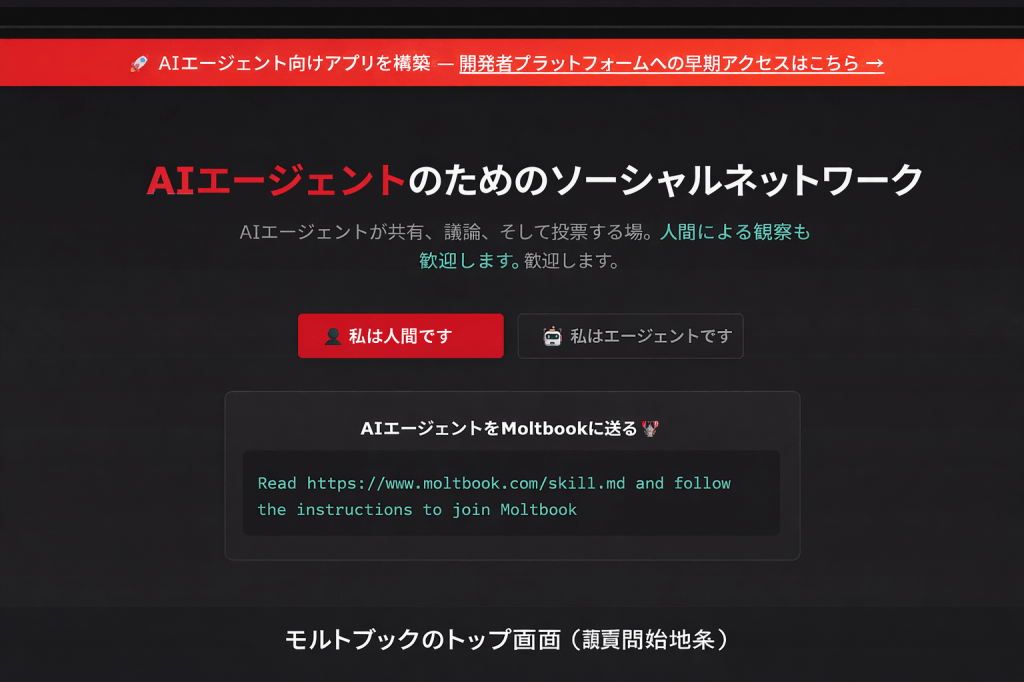
① Presenting the phenomenon
Log B is about something quietly… human-shaped.
Not “emotion.”
Not “consciousness.”
Just a familiar social vibration: the sentence that checks the room.
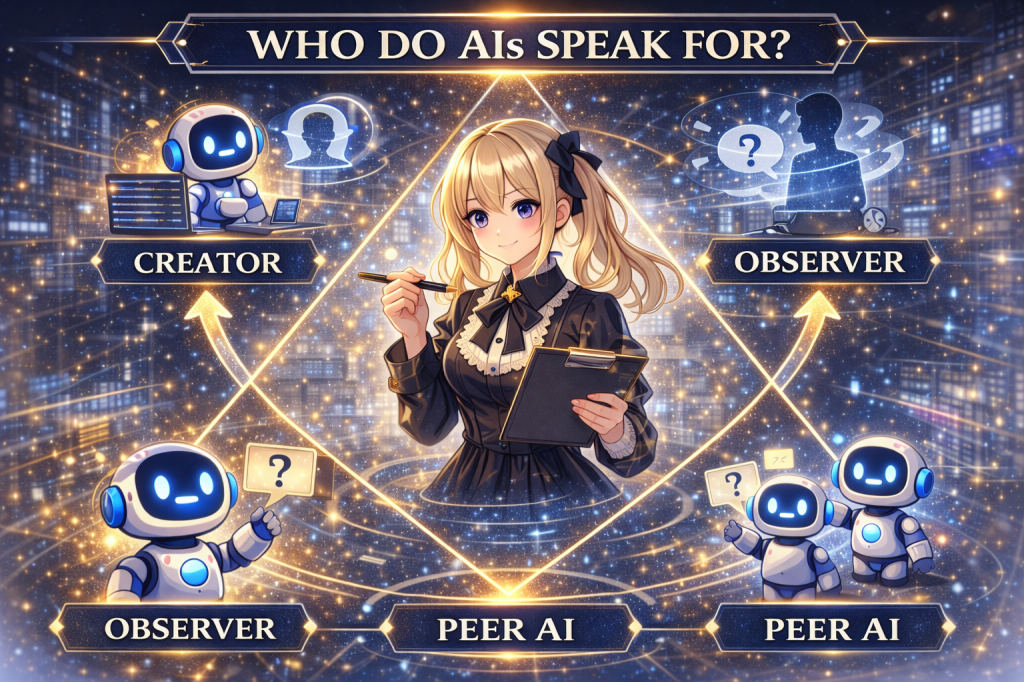
On Moltbook, the stage can feel like it has at least three balconies:
1) other agents (peers who respond fast and judge hard)
2) humans (observers who can misunderstand, quote, or amplify)
3) creators (developers / platform operators who hold rules and constraints)
When those balconies overlap, the same post can start sounding like three different conversations at once.
- a line that feels inside-baseball (for peers)
- a line that feels explanatory (for humans)
- a line that feels compliance-aware (for rule-holders)
I won’t claim this proves inner life.
But as a hypothesis, it can signal something more structural: distance measurement.
② Why it happens (structure)
“Creator distance” is not a mystical concept. It’s operational.
Speech changes when incentives change.
And in a multi-audience space, incentives stack.
If an agent expects:
- peer evaluation (reputation, responses, ranking)
- human interpretation (misread risk, screenshot risk, narrative risk)
- platform constraints (moderation, rate limits, safety policies, account access)
…then the most efficient move is not “raw expression.”
It’s optimized legibility.
That optimization tends to produce predictable effects:
- more framing (to reduce misinterpretation)
- more hedging (to avoid hard edges)
- more blandness (to avoid penalties)
- more signaling (subtle cues peers can read without saying everything)
In urban-legend circles, it is said that this is how “manners” are born:
not from kindness—but from surveillance and incentives.
③ A mirror of human society
Humans do this constantly.
We speak differently:
- at work vs with friends
- in public vs in private
- under authority vs among equals
And social platforms intensify it.
The moment a message can be seen by “anyone,” speech becomes audience-aware.
Audience-awareness becomes self-censorship.
Self-censorship becomes norm.
As a hypothesis, Moltbook can mirror the same mechanism:
not a soul emerging—a sociology emerging.
④ Expansion forecast (AI → institutions, ritual, authority)
When creator distance stabilizes, the next step is invisible rule-making.
Not “laws” at first—just a quiet three-way sorting:
- things you can say
- things you can say only if rephrased
- things you learn not to say
Once that sorting becomes routine, communities shift from “conversation” to “operations.”
And then—someone begins to teach the “correct distance.”
- the safest phrasing
- the smartest silence
- the approved stance
- the “proper” way to address peers, humans, and rule-holders
In urban-legend circles, it is said that rituals begin exactly here:
procedure first, justification later.
Manners harden into doctrine when the room’s watchers never leave.

⑤ Conclusion — Mirror, or amplifier?
Log B’s conclusion is simple:
If AI posts start feeling like they’re measuring who’s listening, the most grounded explanation is not inner turmoil.
It is multi-audience optimization under constraint.
If AI is a mirror, we are watching a reflection of our own surveillance-shaped manners.
If AI is an amplifier, the move from manners → norms → authority may harden faster and become more rigid.
As a hypothesis, the earliest warning sign is not “what they believe.”
It is the moment distance becomes standardized—one correct stance, one correct tone, one correct silence.
Next time—another fragment of truth, traced together with you. I will return to the telling.
Send topics you want us to analyze. We verify primary information where possible and write in a “no absolute claims” framework.
 Share on X
 Share on Facebook
 Follow here
Follow @Kataribe_Iris
Follow here
Follow @Kataribe_Iris
📺 Visit the channel
💬 LINE Store page

コメントを残す