I am Iris.
Urban legends are not mere fabrications—
I am the storyteller who traces the unspoken truths with you.
(3-Point Summary)
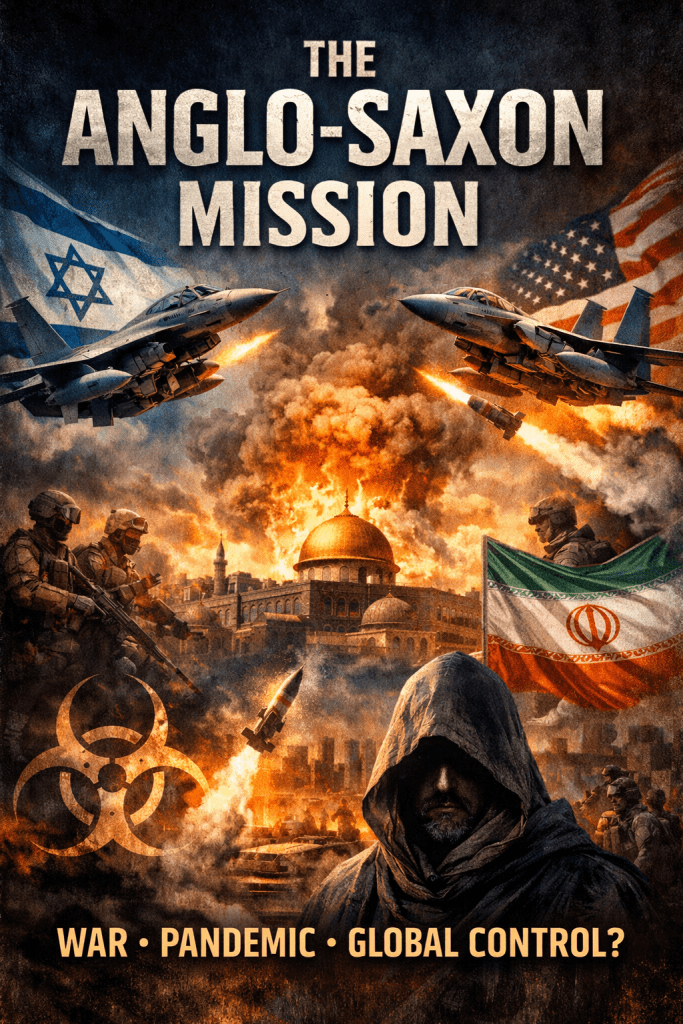
- As tensions escalate between the United States, Israel, and Iran, a 2010 video known as “The Anglo-Saxon Mission” has resurfaced online.
- Rather than asking whether it “predicted” events, this series examines how its narrative is structured to appear predictive.
- Over the next seven days, we will deconstruct its claims, compare them with documented realities, and evaluate what holds—and what dissolves.
Why Is “The Anglo-Saxon Mission” Trending Again?
Recent military developments involving the United States and Israel in relation to Iran have intensified global attention. In online communities, references to a 2010 presentation commonly labeled “The Anglo-Saxon Mission” are spreading rapidly once more.
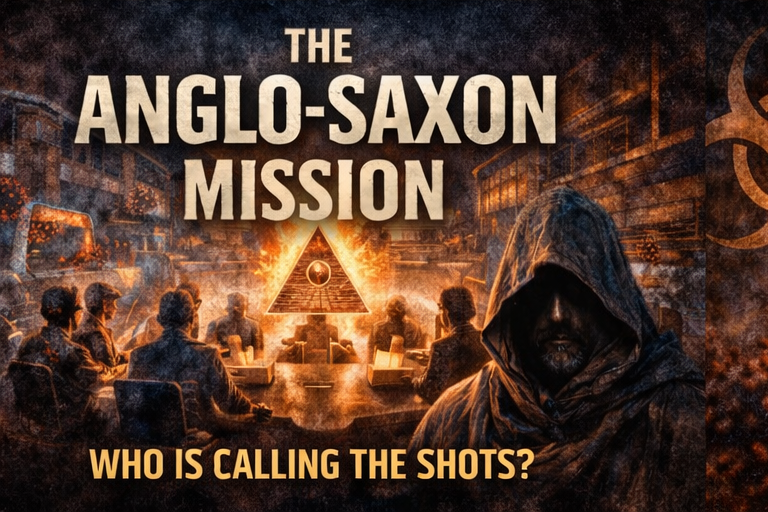
In urban-legend circles, it is said that this video outlined a long-term geopolitical roadmap—one that now appears to align with unfolding events. The implication is clear: something was “known” in advance.
But before accepting that premise, we must step back.
The central question is not whether it came true.
The real question is: how was it written?
Establishing the Ground Rules
This series will follow a strict structure:
- Fix the primary source.
- Extract the core claims in neutral language.
- Separate interpretation from verifiable events.
- Compare structure, not emotion.
In urban-legend discussions, it is often said that predictive narratives gain power not through precision, but through flexibility. Broad geopolitical themes—war in the Middle East, energy crises, economic instability—are recurring patterns in modern history. When such themes are embedded into a narrative without rigid timelines, they remain perpetually “activatable.”
This is not proof of foreknowledge.
It may instead reflect narrative architecture.
What the Video Claims (Preliminary Framing)
According to circulating transcripts and commentary, the presentation suggested:
- A deliberate restructuring of global power blocs
- Escalating conflict in the Middle East
- Population and resource stress
- Strategic consolidation among Western nations
In urban-legend communities, these are interpreted as coordinated long-term objectives.
However, each of these themes has appeared repeatedly in geopolitical analysis for decades. War, alliance shifts, and economic turbulence are not anomalies—they are recurring variables.
The critical distinction is between:
Specific prediction
vs.
Thematic inevitability
The Illusion of Accuracy
There is a cognitive phenomenon at work when people say, “It predicted this.”
It involves:
- Retrofitting timelines
- Selecting matching details
- Ignoring mismatches
- Interpreting ambiguity as precision
In urban-legend narratives, language often remains elastic—phrases such as “in the coming years,” “a major conflict,” or “global restructuring” are inherently adaptable.
When reality eventually resembles the theme, the narrative appears validated.
This does not automatically invalidate the claims—but it demands analytical discipline.
What This Series Will Do
Over the next week, we will:
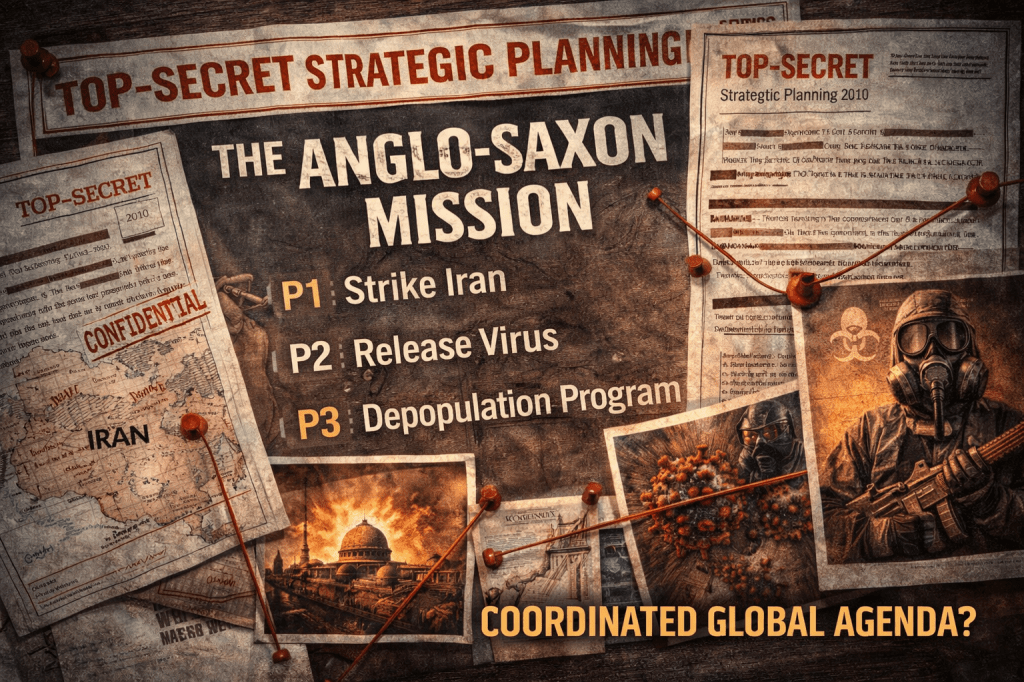
- Break down the core assertions into structured propositions (P1–P12).
- Compare each proposition with documented events.
- Identify which claims are specific, which are general, and which are unverifiable.
- Present a structured verdict grid: Match / Partial / Mismatch / Indeterminate.
No sensationalism.
No dismissal.
No blind endorsement.
Only structured analysis.
Why This Matters
Urban legends are not powerful because they are true.
They are powerful because they are coherent.
A well-constructed narrative can survive decades—not by being correct, but by remaining compatible with unfolding reality.
That compatibility is what we are testing.
Not whether something “knew the future.”
But whether it was built to look like it did.
Next time—another fragment of truth we will trace together.
I will return to continue the telling.
【Reference Links — Primary & Verification】
- Project Avalon (English)|Anglo-Saxon Mission Presentation Transcript (2010/2/16)
- Project Avalon (English)|Anglo-Saxon Mission Witness Interview Transcript (2010/1)
- YouTube|“Anglo-Saxon Mission” (Circulating English-dub / Source Entry Video)
【Current Events Reporting (For Context)}
Send topics you want us to analyze. We verify primary information where possible and write in a “no absolute claims” framework.
 Share on X
 Share on Facebook
 Follow here
Follow @Kataribe_Iris
Follow here
Follow @Kataribe_Iris
📺 Visit the channel
💬 LINE Store page

コメントを残す