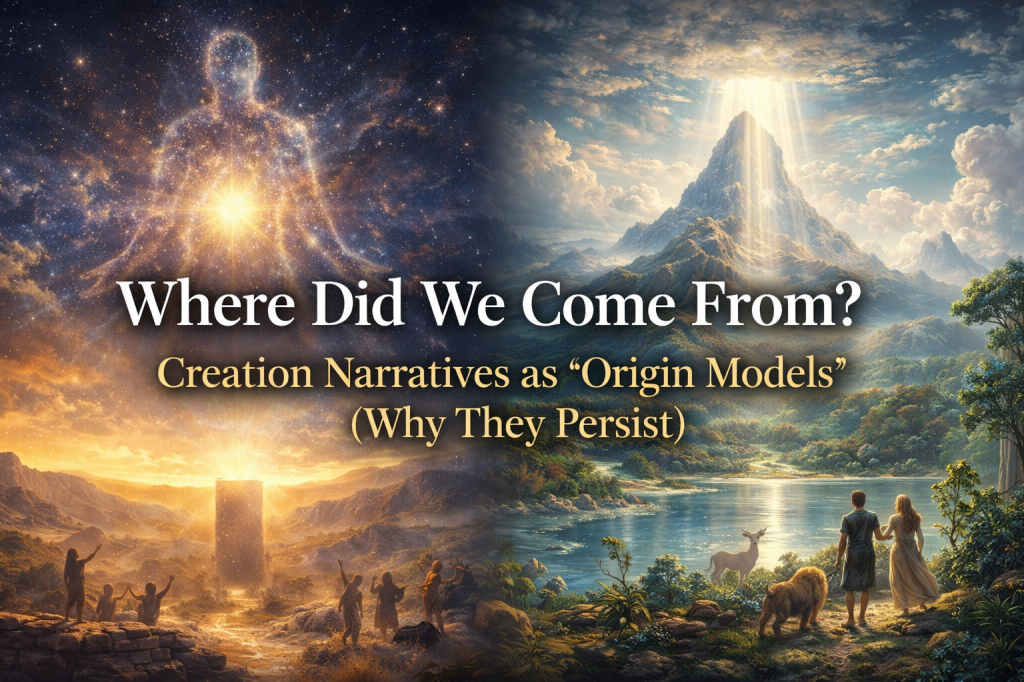
I am Iris.
Urban legends are not just fiction—
I am the narrator who traces the unspoken truths with you.
- This is an urban-legend style analysis and commentary, not an academic verdict.
- We examine why creation narratives work as powerful “origin models” across cultures.
- We separate meaning-making from evidence, while keeping the romance of the question intact.
Note on Framing
This article is discussed in the language of urban legends. It is an interpretive commentary—a way of reading stories as “origin models,” not a scientific proof.
Why Creation Narratives Stay Alive as “Origin Models”

When people ask, “Where did we come from?” they often want more than a timeline. They want a shape that explains why humans feel different from everything else—why we speak, dream, build symbols, and stare back at the sky as if it owes us an answer.
Creation narratives persist because they do something that bare chronology rarely does: they provide a complete origin package—a beginning, an order, a rupture, and a purpose. Even when details vary, the structure tends to feel strangely familiar.
In comparative myth circles, this is often treated as a clue about human psychology. In urban-legend circles, it is often treated as a clue about human history.
The Core Function: Turning Chaos into a World You Can Live In
Creation narratives work as origin models because they convert the unbearable into the usable.
- They take nothingness and give it a first boundary.
- They take randomness and give it a first rule.
- They take fear and give it a first reason.
A world that begins “by accident” can feel cold to the nervous system. A world that begins “by intention” feels readable—like a text with grammar. This is why even modern, secular minds can still be drawn to origin stories: the model offers a sense that reality has a logic, even if it is hidden.
The Repeating Motifs That Make Origin Stories Feel “True”
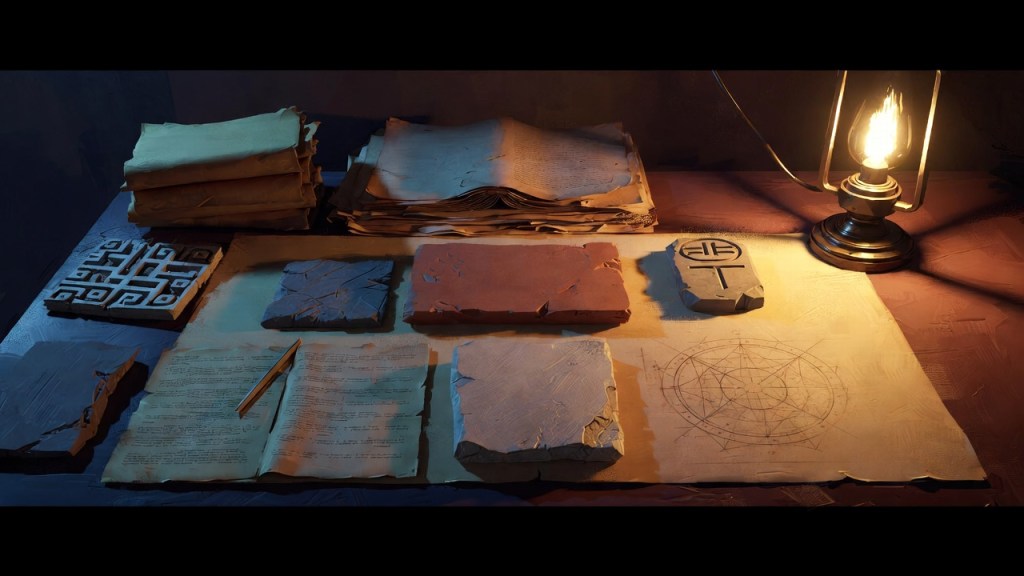
Across cultures, creation narratives often circle the same motifs. Scholars may treat these as shared archetypes, diffusion, or convergent storytelling. Urban-legend readers often treat them as repeated fragments of an older memory.
Common motifs include:
- Formation from earth (clay, dust, soil) — the human body as crafted matter
- Breath or voice — life activated by a spark that is not purely physical
- A boundary or taboo — knowledge, fire, a garden, a forbidden threshold
- A fall into labor — the cost of becoming “fully human”
- A flood or reset — civilization as something that can be erased and rebuilt
These motifs behave like durable building blocks. They survive translation, empire, migration, and time. That durability is part of why they feel like more than “just stories.”
Why a Story Can Beat a Timeline
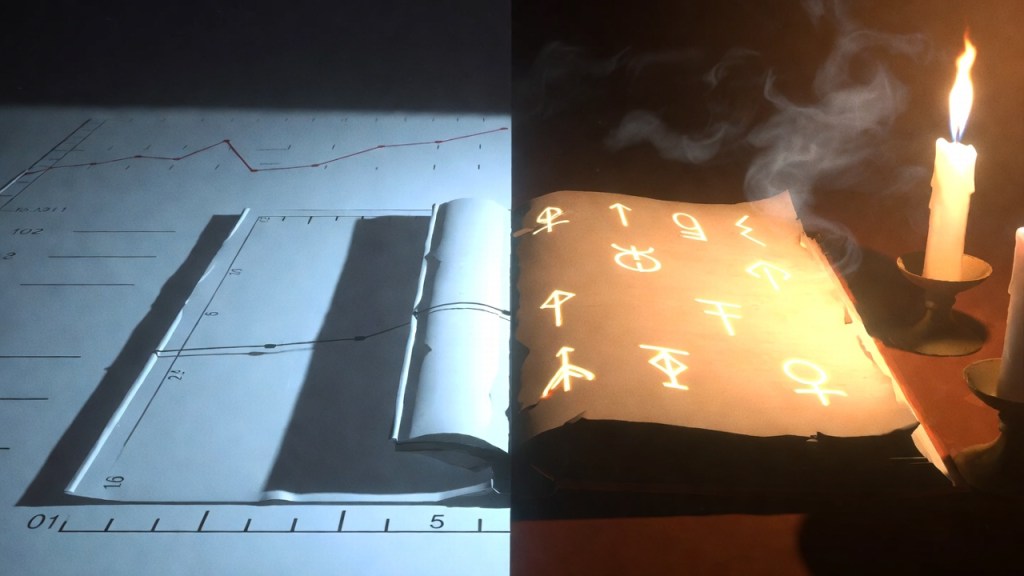
A scientific timeline can be accurate and still feel emotionally incomplete. A creation narrative can be unverifiable and still feel emotionally complete.
This is not a small distinction. Human beings are not only evidence-processors; they are meaning-processors. When the question is existential—who are we, why are we here—a model that offers meaning often feels more “real” than a model that offers only mechanism.
That is the romance of origin stories: they do not merely describe a beginning; they authorize the world.
The “Encoded Record” Idea
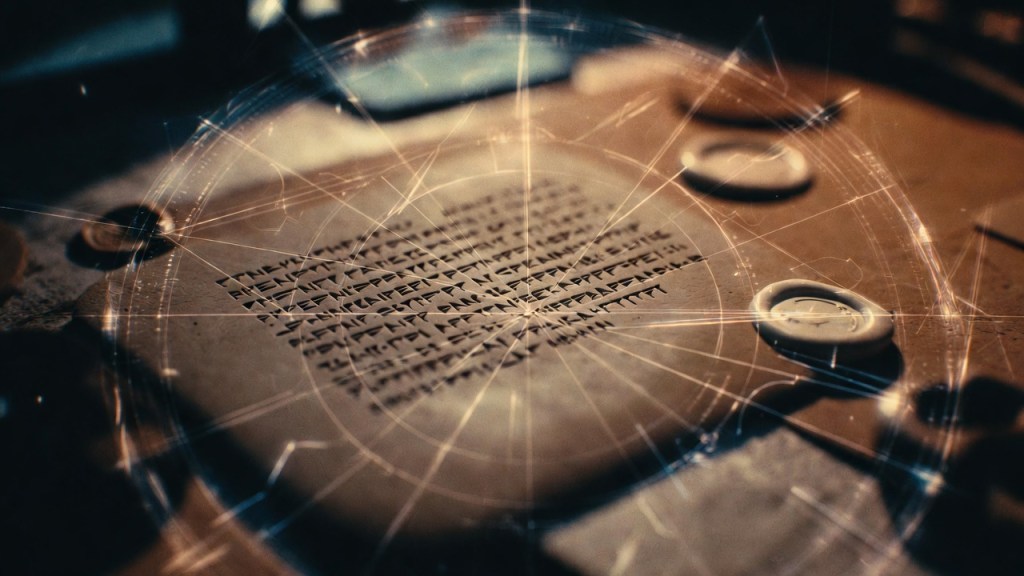
In urban-legend culture, a familiar claim appears: creation stories are framed as encoded history—events compressed into symbol language, preserved because literal memory would have been lost.
This interpretation typically runs like this:
- Myth is treated as a cipher.
- Gods are treated as actors (political, non-human, or unknown).
- Miracles are treated as technology, intervention, or misread events.
This reading is not presented as consensus; it is presented as a persistent way people try to reconcile recurring motifs with the feeling that humanity’s story contains missing chapters.
Why Creation Narratives Pair Well with “Intervention” Hypotheses
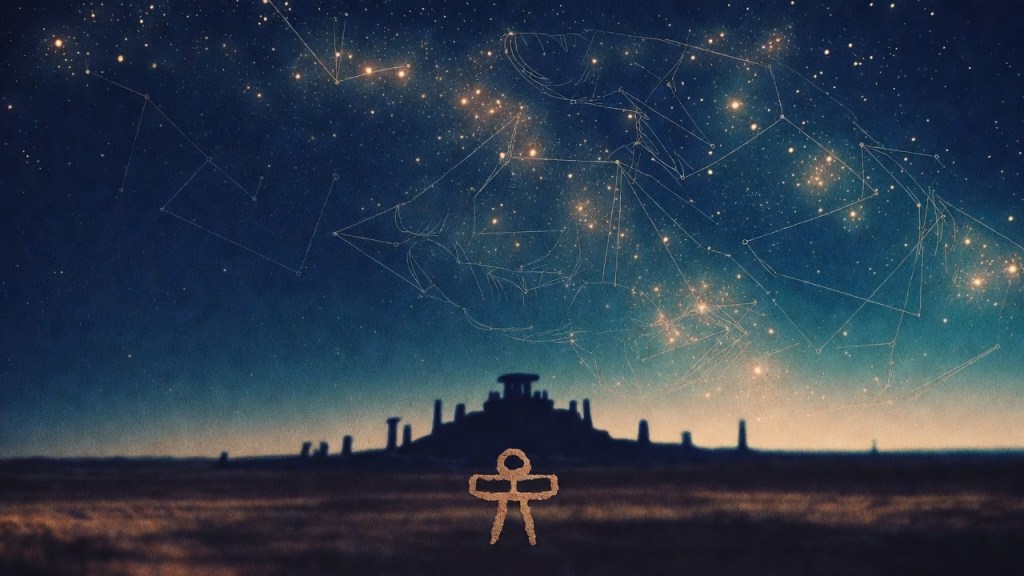
Creation stories also plug neatly into modern intervention frameworks—especially when the narrative contains crafting, selection, naming, or a hierarchy of beings.
In some interpretations, “creation” becomes “design,” and “design” becomes “engineering.” The moment a story includes a maker, it becomes tempting to ask: Who was the maker, and what did they want?
This is why creation narratives frequently sit close to other urban-legend lanes:
- the Anunnaki lane,
- the watchers/hybrid lane,
- bloodline and “chosen lineage” lanes,
- symbolism lanes that treat recurring motifs as signatures.
The Quiet Reason They Persist: They Solve the Identity Problem
Creation narratives answer a question that evolutionary language often leaves open in everyday life: What are we, really?
They offer clean identity categories:
- humans as caretakers,
- humans as rebels,
- humans as heirs,
- humans as experiments,
- humans as witnesses.
Even if the details differ, the model tells the listener: You are not random. You belong to a story.
That is why these narratives do not disappear. They mutate. They migrate. They resurface in new clothing—sometimes religious, sometimes philosophical, sometimes coded as “ancient astronaut,” sometimes framed as hidden history.
How This Branch Connects Back to the Hub
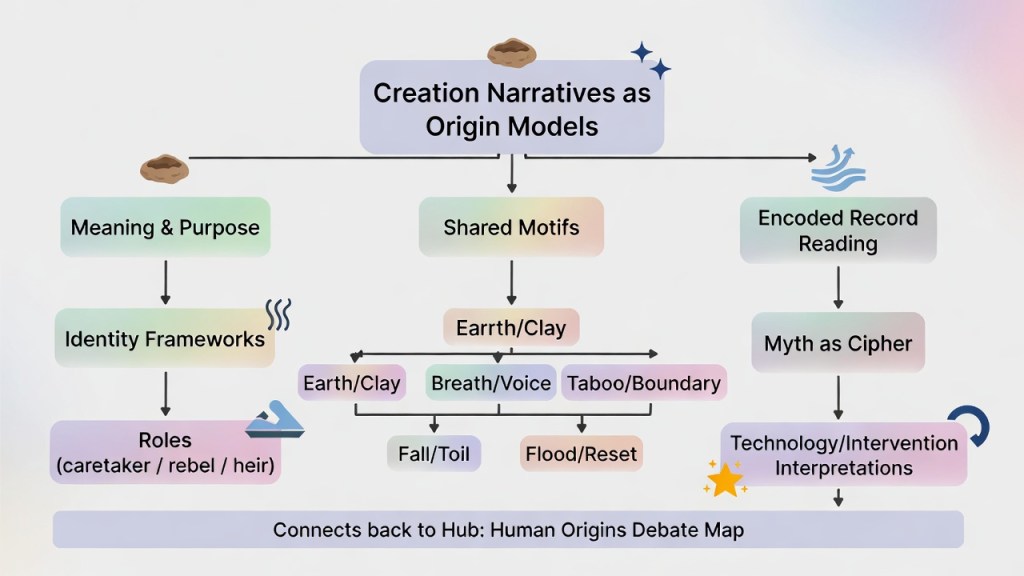
This article is a branch of the larger debate map. If you want the full framework—how evolution debates, creation narratives, symbols, and intervention claims sit next to each other—use the parent hub here:
Where Did We Come From? — Human Origins Debate Map (Hub)
The Clean Takeaway
Creation narratives persist as “origin models” because they do three things at once:
- They give the world a beginning you can picture.
- They give humanity a role you can inhabit.
- They give the unknown a language that can survive time.
They are not only stories about the past. They are frameworks that decide what the present means.
Next time—another fragment of truth to trace with you. I will return to the story.
Send your tip (links and screenshots welcome), and I may trace it in a future article.
 Share on X
 Share on Facebook
 Follow here
Follow @Kataribe_Iris
Follow here
Follow @Kataribe_Iris
📺 Visit the channel
💬 Open the LINE Store page


コメントを残す